


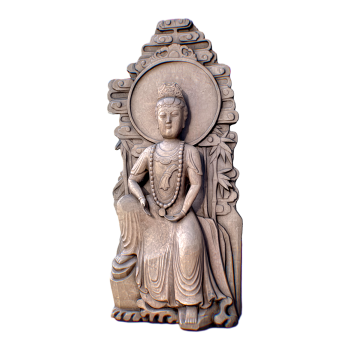
【 Wood Carving 】 Avalokitesvara Bodhisattva (3D printable)
Avalokitesvara Bodhisattva, also known as Avalokite ś vara in Sanskrit, is a transliteration of the Sanskrit word Avalokite ś vara. It is also translated as "Avalokitesvara" or "Avalokitesvara" and transliterated as "Avalokitesvara" or "Avalokitesvara". Amitabha Buddha's left attendant, one of the "Three Saints of the West". Buddhism believes that Avalokitesvara Bodhisattva is a compassionate and benevolent bodhisattva. When suffering beings recite his name, the Bodhisattva immediately observes his voice and goes to save and liberate them, hence the name. During the Tang Dynasty, due to the taboo of using the name of Emperor Taizong Li Shimin, the character "shi" was removed and he was briefly referred to as "Guanyin".
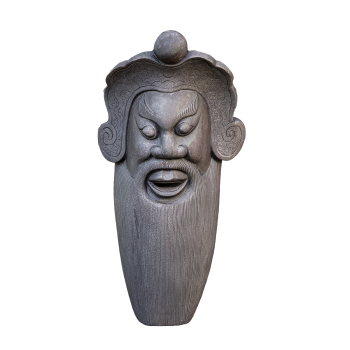
Zhang Fei - Dark Wood Carving
Zhang Fei, also known as Yide, was a famous military commander in the late Eastern Han Dynasty and one of the founding fathers of Shu Han during the Three Kingdoms period. He, along with Liu Bei and Guan Yu, is known as the "Three Swords of Peach Garden" and is renowned for his bravery and boldness. In his early years, he rose up with Liu Bei and participated in the suppression of the Yellow Turban Uprising. In the chaotic era of warlords' domination, he became Liu Bei's trusted assistant with his extraordinary strength and bravery. Zhang Fei has a straightforward personality and often leads by example in battles. He is exceptionally brave and makes the enemy tremble at the sound of his words. The gloomy wooden carving work with the theme of Peach Blossom Oath was created by Chinese arts and crafts master Liang Fengzhu in 2019. The work is now collected at the Liang Fengzhu Arts and Crafts Museum in Nanyue, Hengyang, China.
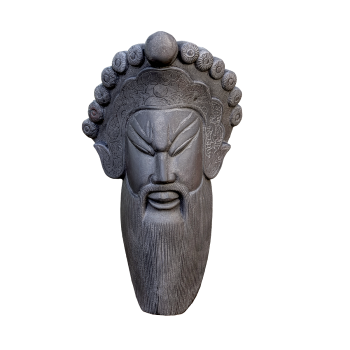
Guan Yu - Dark Wood Carving
Guan Yu, also known as Yunchang, was a famous military commander in the late Eastern Han Dynasty of China and one of the important figures of Shu Han during the Three Kingdoms period. He is known for his bravery, loyalty, and loyalty, and is revered as the "Martial Saint" by later generations. In his early years, he rose up with Liu Bei and participated in the suppression of the Yellow Turban Uprising. In the subsequent warlords' conquests, he became brothers with Liu Bei and Zhang Fei and experienced countless battles together. Throughout history, the imperial court has repeatedly posthumously conferred upon him the title of "Guansheng Emperor". The gloomy wooden carving work with the theme of Peach Blossom Oath was created by Chinese arts and crafts master Liang Fengzhu in 2019. The work is now collected at the Liang Fengzhu Arts and Crafts Museum in Nanyue, Hengyang, China.

Liu Bei - Dark Wood Carving
Liu Bei, also known as Xuande, was a famous politician and military strategist in the late Eastern Han Dynasty of China, and the founding emperor of Shu Han during the Three Kingdoms period. Born in Zhuo County, Zhuo Commandery (now Zhuozhou, Hebei Province), he made a living selling grass shoes and weaving mats in his early years. Liu Bei had a kind and benevolent personality, which won the hearts of the people. Later, he began to make a name for himself by participating in the suppression of the Yellow Turban Uprising. He formed an alliance with Guan Yu and Zhang Fei in Taoyuan, becoming the famous "Peach Garden Three Bonds" in history. The gloomy wooden carving work with the theme of Peach Blossom Oath was created by Chinese arts and crafts master Liang Fengzhu in 2019. The work is now collected at the Liang Fengzhu Arts and Crafts Museum in Nanyue, Hengyang, China.

Er Long Xi Zhu - Dark Wood Carving
The gloomy wood carving work created by Chinese arts and crafts master Liang Fengzhu in 2005 is currently collected at the Liang Fengzhu Arts and Crafts Museum in Nanyue, Hengyang, China. The theme of "Two Dragons Playing with a Pearl" in traditional Chinese culture depicts a vivid scene of two dragons circling and playing around a precious pearl. It is a traditional Chinese auspicious pattern that symbolizes power, strength, and good luck. In Chinese culture, the dragon is a symbol of auspiciousness, representing supreme power and wisdom; And pearls symbolize wealth and light. This pattern is commonly seen in ancient architecture, art, and celebratory events, symbolizing national peace and prosperity.

Longfeng Chengxiang - gloomy wood carving
It is a wooden carving work by Chinese master of arts and crafts Liang Fengzhu, created in 2002. It is currently collected at the Liang Fengzhu Arts and Crafts Museum in Nanyue, Hengyang, China. This work is made using traditional Chinese gloomy wood carving techniques, showcasing the images of dragons and phoenixes that symbolize auspiciousness in Chinese traditional culture. In China, dragon and phoenix respectively represent authority and dignity, as well as beauty and virtue. Often used together, it symbolizes harmony, happiness, and a happy relationship between husband and wife. The theme of 'Dragon and Phoenix Bringing Auspiciousness' is extremely common in Chinese culture, often used in important occasions such as weddings and celebrations, symbolizing prosperity and the arrival of good luck.
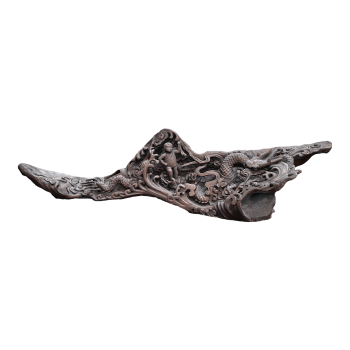
Nezha's Chaos in the Sea "created by Liang Fengzhu
The gloomy wood carving, made by Chinese master of arts and crafts Liang Fengzhu in 2001, is now collected at the Liang Fengzhu Arts and Crafts Museum in Nanyue, Hengyang, China. Nezha is a protector deity in Chinese folk religion. His official Taoist name is' Marshal of the Middle Altar '. After he became a deity, he was bestowed with the title of "Third Lotus Prince".

Popular Models
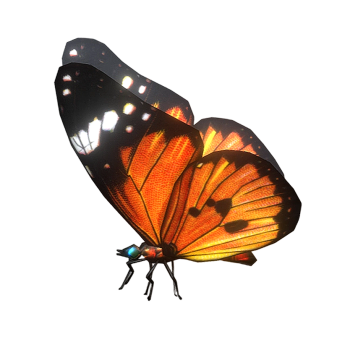
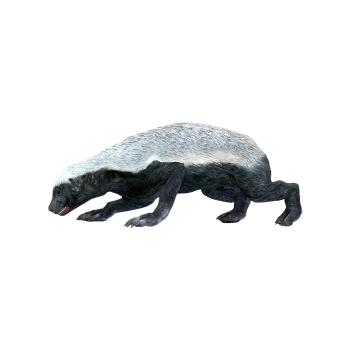
Honey Badger (3D animated model)
192 View
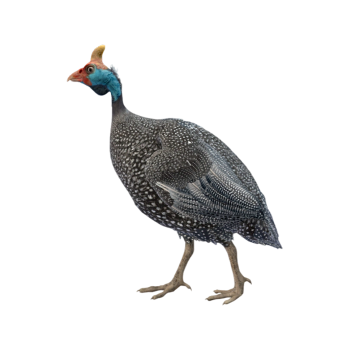
Guinea fowl (3D animated model)
163 View
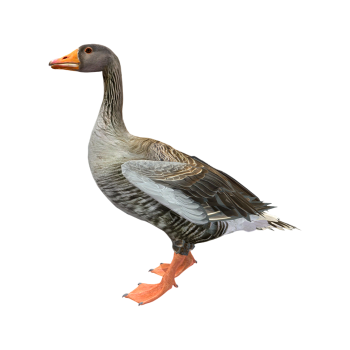
Wild Goose (3D animated model)
185 View
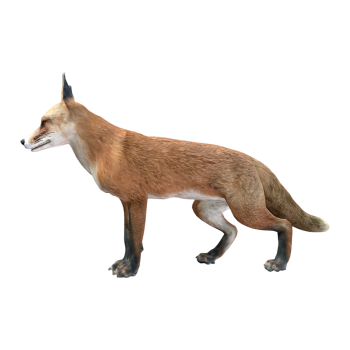
Red Fox (3D animated model)
153 View
Random Model


Puma Green Suede sneaker
801 View



2024 Hanging Calendar
828 View

VAZ-2108Rally rally car
978 View

Abandoned River Bend in Missouri, USA
1123 View
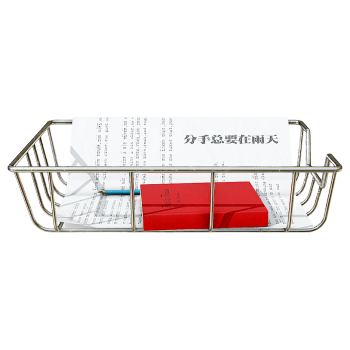
Small Iron Frame Storage Rack
916 View
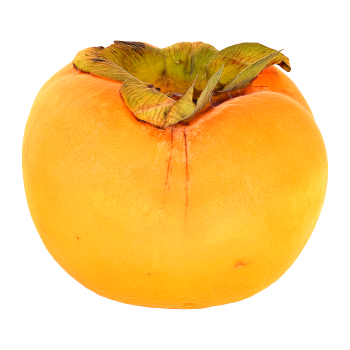
Yellow persimmon 3D model
759 View

Hydroponic Bamboo Tortoise
548 View